



Game On: How Southeast Asia is Leading the Global Gaming Charge
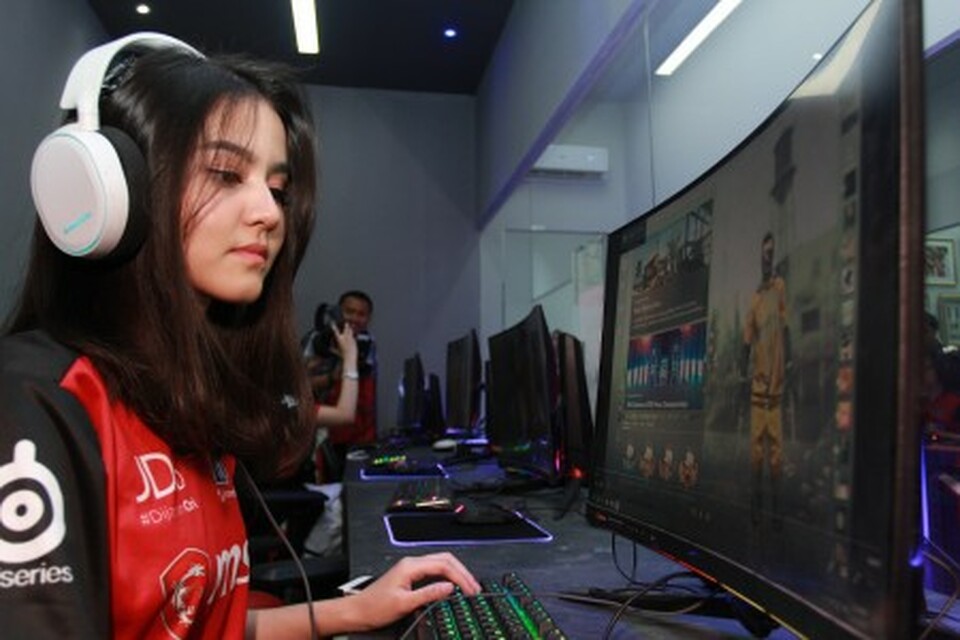
Gone are the days when gaming was considered solely a leisure activity. Today, it’s all about competitive gaming, or e-sports. As of 2024, an estimated 1.8 billion gamers reside in Asia-Pacific (APAC), and this number is expected to grow exponentially in the coming years.
In Indonesia, the number of gamers exceeds 150 million. With such a massive player base, the revenue for Indonesia's games market is estimated to reach $4.28 billion by 2025.
Looking at the high potential for gaming, the Indonesian government has demonstrated a strong commitment to accelerating the development of gaming. It actively supports the industry through various initiatives, including providing training, hosting national competitions, and implementing strategic policies. These include the recently enacted Presidential Regulation No. 19 of 2024, which aims to optimize the economic potential of Indonesia's gaming industry and encourage synergy among various institutions involved in its development.
Indonesia is not the only interested player. Across the region, events like the Mobile Legends Professional League (MPL) and Gamescom Asia in Singapore also signal a booming gaming scene that shows no signs of slowing down.
With soaring player numbers, growing mainstream recognition, and significant investments across the region, Southeast Asia is not just participating in the global gaming boom, it’s leading it. Crucially, this growth has been fuelled by widespread access to high-speed mobile and broadband connectivity, making competitive gaming and live-streaming more accessible than ever.
As the industry evolves and demand continues to surge, however, the question is no longer whether the region will dominate the future of gaming but rather: what kind of infrastructure is needed to support the next phase of this digital entertainment revolution?
Tapping into gaming for growth
Service providers have been instrumental in contributing to the gaming era.
Specifically, with their long history and expertise in the technology and innovation space, service providers are looking to enable and monetize the gaming opportunity. In Indonesia, Telkomsel has partnered with GoTo to form a joint venture, Majamojo, which focuses on mobile game development across the region. Telkomsel also collaborates with MOONTON Indonesia through its digital gaming brand Dunia Games (its “digital lifestyle platform” for gaming, e-sports, and pop culture) by organizing Dunia Games Laga (DGL) 2025, an annual community-level esports tournament.
Other providers, such as Indosat Ooredoo Hutchison (Indosat or IOH), through the Tri brand, support the gaming ecosystem in Indonesia by presenting H3RO 6.0, which is a flagship esports talent development program designed to discover and nurture rookie gamers through structured training, competitions, and professional exposure, empowering amateur gamers to rise as the theme suggests, “From Zero to H3RO”.
In Singapore, e-gaming is a key focus, allowing users to stream games without high-end hardware—a perfect fit for the mobile-first Southeast Asian market. StarHub, for instance, offers Nvidia’s GeForce NOW and Ubisoft+ subscriptions through its GameHub+ platform. Meanwhile, the Philippines' Globe Telecom builds gaming content and community through its platform Globe Gamer Grounds, in partnership with Telekom Malaysia and Swarmio Media.
The popularity of gaming has led to the rise of ‘gaming tourism,’ where hospitality, local culture, and interactive digital entertainment come together to create personalized, gaming-integrated tourism experiences. For example, Infinix Indonesia officially opened the first Infinix Gaming Village in Indonesia as an esports tourism destination. It features themed gaming zones in local cafés, weekly community tournaments, and talent development programs. These initiatives are designed to nurture local gamers while simultaneously boosting the area's creative and tourism economy.
Gaming is a powerful tool for companies, especially service providers, to enhance customer engagement. However, as technologies evolve, the consideration shifts to how they can support the next generation of gaming services. These services may be largely driven by artificial intelligence (AI), requiring high-capacity, resilient networks capable of meeting future bandwidth demands.
Future-proofing networks for the AI era
With AI increasingly being incorporated into every sector, gaming is no exception. AI is likely to transform gaming in two ways: enhancing the game development process and improving player experiences. These include creating intelligent non-player characters or agents, optimizing player matchmaking, game testing, and detecting malicious behaviors in multiplayer games.
Such AI-led contributions to gaming would mean more data and code being transmitted through today’s networks and an increasing demand for greater bandwidth to support near-real-time cloud-based play and ultra-stable latency. Gamers expect flexibility across platforms, faster access without long download times, and the freedom to play anywhere.
To meet these expectations, service providers are reconsidering network architecture to minimize latency through edge networking and enhanced data center interconnects. They also plan for peak usage periods, leverage analytics and network intelligence to identify congestion or latency issues, and activate additional network resources on demand when necessary.
In an era where AI and the gaming industry are becoming increasingly intertwined, adaptability is key. Service providers have a demanding task ahead of them while trying to meet the needs of customers; they must also keep up with the rapid pace of innovation in the industry. By investing in cutting-edge network technologies, innovative service offerings, and strategic partnerships, they can not only meet those demands but also unlock new revenue streams and foster stronger relationships with customers.
----
Madhu Pandya, Senior Director, Corporate Strategy, Ciena
The views expressed in this article are those of the authors.
 as a preferred
The Latest

Chandra Asri Group Receives Trade Finance Excellence Award, Reinforcing Its Role in Indonesia’s Industrial Development
Chandra Asri Group receives the Trade Finance Excellence Award at CIMB Niaga Business Summit 2026.
AEON MALL Deltamas Brings 11 Sports and Creative Competitions to AEONLYMPIC 2026
AEON MALL Deltamas hosts AEONLYMPIC 2026, featuring 11 sports and creative competitions, with more than 3,100 participants.
Indonesian Stocks Extend Losses for Third Day, Fall 3.64% to 4,996
Indonesian stocks fell 3.64% on Monday, extending losses for a third straight session amid MSCI concerns and tighter trading limits.
Prabowo Calls Meeting on Forest Fires as Haze Reaches Jakarta, Singapore
Prabowo summons senior officials to discuss forest fires as smoke reaches Jakarta and Malaysia pushes for regional action.
Jakarta Outranks Amsterdam in Global Public Transport Survey
Jakarta climbs two places to 15th in Time Out's 2026 public transport survey, with its governor citing better network integration.Most Popular
