



Ukraine’s War Fatigue, Russia’s Strain, Europe’s Doubts -- And Trump’s Opportunity

History shows that all wars eventually come to an end; the question is not if, but when and how. The Ukraine-Russia conflict, which began on February 24, 2022, has entered a new phase after US-backed summits this month.
On August 14, US President Donald J. Trump met with Russian President Vladimir Putin in Anchorage, Alaska. The White House framed the encounter as a “listening exercise” and a “fact-finding mission.” Four days later, Trump hosted Ukrainian President Volodymyr Zelensky and seven European leaders in Washington to discuss ways to end the war.
But the meetings produced no breakthroughs, fueling doubts about whether Trump can deliver on his earlier campaign promise to resolve the conflict within 24 hours of taking office on January 20. As The Washington Post observed, “The Trump-Putin summit wasn’t a disaster, but it was a US defeat.” The Financial Times echoed similar skepticism, noting, “Russia, Ukraine, and Europe are all trying to manipulate Trump.”
Despite such doubts -- and Russian Foreign Minister Sergei Lavrov’s dismissal of any plans for a Putin-Zelensky meeting -- it is clear that Ukraine, Russia, Europe, and the US each face mounting pressures that could paradoxically work to Trump’s advantage.
Ukrainians Weary of War
After initially repelling Russia’s advances, Ukraine now faces a harsher onslaught. In July alone, Russia launched at least 70 high-end cruise missiles, 260 missiles, and 3,800 Shahed drones. Today, Russia controls nearly 20 percent of Ukraine -- about 114,500 square kilometers -- and continues to push deeper.
Moscow is also outpacing Kyiv in manpower. According to The New York Times, Russia recruits about 1,000 soldiers daily -- twice Ukraine’s rate -- by offering hefty incentives such as a $30,000 signing bonus, a $2,450 monthly salary, pensions, debt relief, and subsidized mortgages. Backed by a $170 billion defense budget -- triple Ukraine’s -- Russia holds a battlefield edge that makes Kyiv’s outright victory increasingly unlikely.
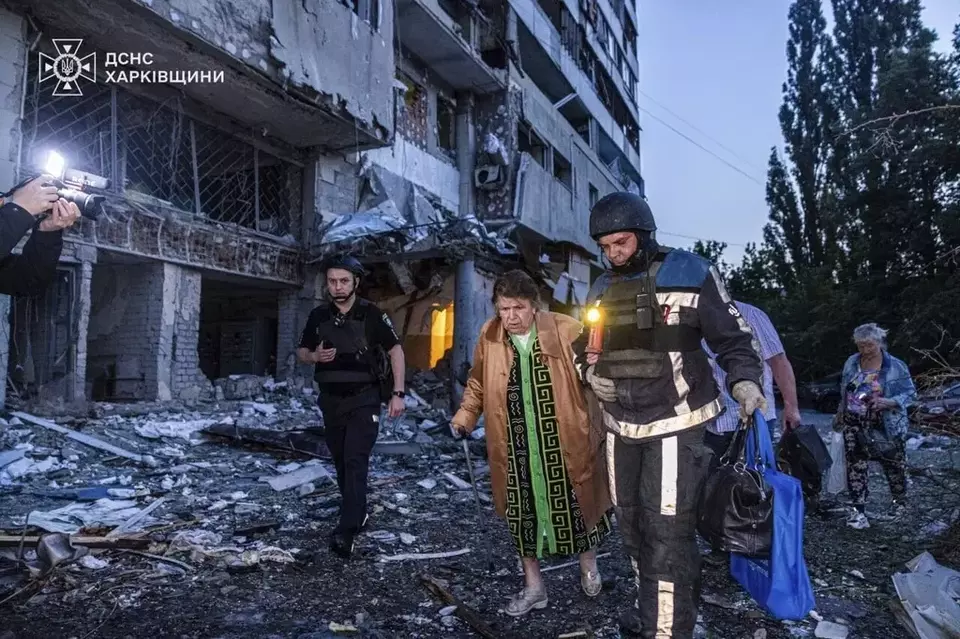
As a result, Ukrainian public opinion has shifted dramatically. A Gallup poll shows only 24 percent of Ukrainians now support fighting until Russia is defeated, down from 73 percent in 2022. Meanwhile, nearly 70 percent favor negotiations “as soon as possible.”
Russia Feeling the Strain
Even with recent battlefield gains, Russia’s economy is faltering. After shrinking by 2.1 percent in 2022, it rebounded in 2023 and 2024 with growth of 4.3 and 4.1 percent. But IMF forecasts point to a slowdown: 0.9 percent in 2025 and just 1 percent in 2026 -- well below the global average of 3.1 percent.
This fragility is amplified by dependence on oil and gas, which account for 40 percent of Russia’s economy. Sanctions from the US, EU, UK, Japan, and others have narrowed Russia’s options, while Washington’s threat of a 50 percent tariff on Indian imports of Russian oil could severely undercut Moscow’s revenues.
While widespread unrest is unlikely in Russia’s authoritarian system, rising inflation and unemployment could still erode domestic stability and push Putin toward more serious consideration of a negotiated peace.
Europe’s Patience Wears Thin
Europe has pledged nearly $200 billion in aid to Ukraine, but the political costs of sustaining such support are mounting. Populist and far-right parties -- often skeptical of Ukraine aid -- are now leading polls in Germany, France, and the UK.

Public fatigue is evident. A YouGov survey of 9,000 Europeans in late 2024 found sharp declines in support for continuing aid until Ukraine achieves victory. In Italy, just 15 percent of respondents backed such aid; in France, 23 percent; in Germany, 28 percent; and even in traditionally supportive Denmark and Sweden, only 36 and 50 percent did. Calls for increasing aid were even weaker.
This erosion of political will makes Europe a less reliable partner for Ukraine, adding pressure on Kyiv to seek compromise.
Trump’s Leverage
Despite deep skepticism, Trump may still hold cards. The US Congress has already approved $180 billion for Ukraine, with about $83 billion disbursed by the end of 2024 -- leaving nearly $100 billion in reserve. That funding gives Trump significant leverage to pressure Zelensky toward peace talks with Putin.
The alignment of forces -- Ukrainian war-weariness, Russian economic vulnerabilities, and European fatigue -- creates an environment where Trump can claim momentum.
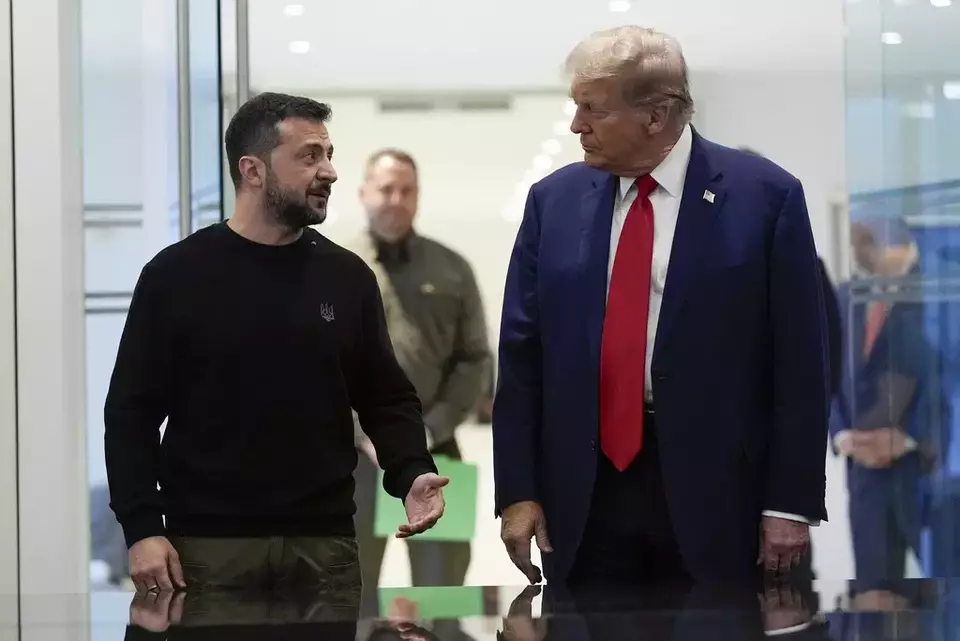
Yet the real question is what kind of peace Trump seeks. Few expect him to insist on full Russian withdrawal or robust security guarantees for Ukraine and Europe. More likely, Trump wants assurances from Putin that any deal can be spun as a political win for him and the GOP ahead of the 2026 midterms and 2028 presidential race.
In short, Trump may indeed help broker an end to the war -- but the peace he pursues will likely serve his political interests more than Ukraine’s future.
---
Didin Nasirudin is a doctoral candidate in Political Communication and Diplomacy at Sahid University, with a strong research interest in US politics.
The opinions expressed in this article are solely those of the author.
Tags: Keywords: as a preferred
Related Articles

Defying Trump, Zelensky Says Will Keep Hitting Russian Refineries
Russia on Thursday said Ukraine had attacked an oil refinery in Ryazan, south of the capital, Moscow.
Ukraine Accuses US of Helping Russia as Missiles Hit Kyiv
Zelensky called on US tech billionaire Elon Musk to restore Starlink, which Kyiv says has been slowed down.
Top NATO Commander Warns Russia Any Attack Would Be 'Futile'
The strong message from NATO's top commander comes at a time of potential vulnerability for Europe.
Zelensky Blasts Trump's Diesel Deal as Russian Strikes Kill 16
Trump urged Ukraine to replace Zelensky with a new leader, lashing out at him for strikes on Russian oil refineries.
Ukraine Anger as EU Lifts Sanctions on Russian Oligarchs Usmanov, Fridman
"Moscow is celebrating because it got what it wanted: a sense of impunity, the humiliation of the EU, and division among Europeans."
Indonesia Pledges Protection for Citizens Deceived into Joining Russian Military
Yvonne revealed that one Indonesian believed to have joined the Russian military had sent a WhatsApp message to her personal number.
Russia Accuses Ukraine of Recruiting Indonesian Fighters
Russia even claimed that an undisclosed number of Indonesians had lost their lives fighting for Ukraine.
Ukraine Hopes to Prevent More Indonesians From Joining Russian Army
Ukraine says it is "ready" to work with the government to prevent more Indonesians from being recruited into Russian forces.
Russia Denies Actively Seeking Indonesian Fighters in Ukraine War
Russian ambassador Sergei Tolchenov says his embassy never shares information related to the military recruitment in Indonesia.
Russia Bars Only Anti-War Party from Elections
With most of President Vladimir Putin's opponents jailed, exiled or dead, Yabloko is the only liberal party still operating in Russia.The Latest

Students Plan Jakarta Protests to Mark Two Years of Prabowo's Presidency
Police have advised the public to avoid areas around the House of Representatives complex, the National Monument and the State Palace.
UN Boss Commends Indonesian Forest Protection Despite Persistent Haze Problem
Outgoing UN boss António Guterres' comment comes at an ironic time amid Indonesia's struggle with forest fires.
Indonesia Must Benefit Most From Its Minerals: UN Chief
Outgoing UN chief António Guterres says that Indonesia must "retain a far greater share of the economic value" from its minerals.
Chandra Asri Group Receives Trade Finance Excellence Award, Reinforcing Its Role in Indonesia’s Industrial Development
Chandra Asri Group receives the Trade Finance Excellence Award at CIMB Niaga Business Summit 2026.
AEON MALL Deltamas Brings 11 Sports and Creative Competitions to AEONLYMPIC 2026
AEON MALL Deltamas hosts AEONLYMPIC 2026, featuring 11 sports and creative competitions, with more than 3,100 participants.Most Popular
