



Online Scams Drain $474 Million from Indonesians in a Year, OJK Says
Jakarta. Indonesia recorded Rp7.9 trillion ($474 million) in losses from online scams between November 2024 and November 2025, the country’s Financial Services Authority (OJK) said on Monday.
The findings were released during a media briefing titled “Countering Financial Fraud in the Digital Era” at the Central Information Commission (KIP) office in Jakarta.
OJK’s Indonesia Anti Scam Centre reported that of the total losses, Rp 386.9 billion was successfully recovered through swift transaction blocking and account freezing.
West Java, Jakarta, and East Java topped the list of scam-prone regions, with 72,564, 55,616, and 48,731 cases reported respectively over the past year. In total, 576,816 bank accounts were reported for suspected involvement in fraudulent activity, with 108,779 accounts subsequently blocked to prevent further damage.
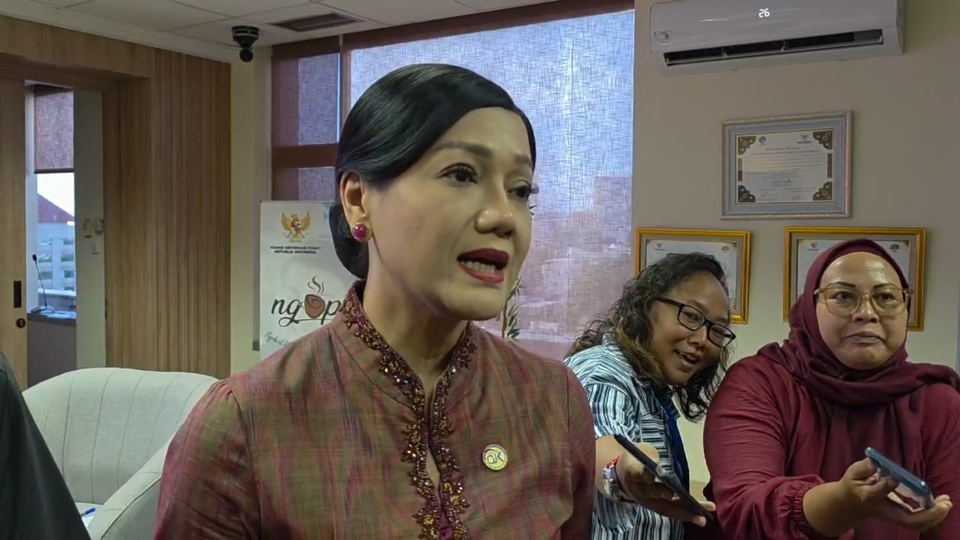
Friderica Widyasari Dewi, OJK’s Chief Executive for Market Conduct Supervision, Consumer Protection, and Financial Literacy, stressed that speed of reporting is the single most critical factor in recovering stolen funds.
“Over the past year, public losses reached Rp7.9 trillion from more than 350,000 reports. Scams move incredibly fast,” she said. “The earlier victims report to the Anti Scam Centre, the greater the chance the funds can be recovered. If a report comes a week or a month later, the money is usually gone.”
She urged Indonesians to avoid sharing personal information with anyone, even callers claiming to represent banks, government agencies, or law enforcement.
“If someone claims to be from a bank or an institution, just hang up and visit the official office instead,” Friderica said. “Many of these calls turn out to be attempts to break into victims’ accounts.”
OJK also called on financial institutions to strengthen cybersecurity systems while reminding the public to be more discerning when interacting online.
The agency warned against clicking suspicious links or responding to offers that request sensitive data such as OTP codes, PINs, or remote access to mobile banking apps—common tactics used in phishing and account-takeover schemes.
 as a preferred
Related Articles

Indonesia Could Join Zimbabwe, Palestine in MSCI Standalone Market Downgrade
Indonesia risks joining Zimbabwe and Palestine in MSCI’s Standalone Market category, threatening foreign fund flows.
OJK Says Indonesian Market Still Attractive After MSCI Threat
OJK says the domestic market will remain "attractive" following MSCI's threat to downgrade Indonesia to a "standalone" status.
Indonesia Braces for MSCI Review in November
MSCI has given Indonesia time until November, warning that it could downgrade Jakarta’s status to frontier markets.
Danantara to Follow OJK Rules on IDX Ownership
Danantara says that it is still deliberating on the decision, but will follow OJK rules if it decides to acquire IDX stake.
OJK: Stocks Once Stuck at Rp 50 Are Finding New Market Prices
OJK says stocks once stuck at Rp 50 are finding new equilibrium prices and liquidity after Indonesia lowered the trading floor to Rp 1.
OJK Prepares Rules Allowing Pension Funds to Invest Overseas
OJK is preparing rules allowing Indonesia’s pension funds to invest overseas if domestic options offer limited opportunities or returns.
Indonesia Joins UN Cybercrime Convention to Fight Scammers
A report shows that the average Indonesian encounters 55 scams each year.
Only 7 Companies Remain in Indonesia’s 2026 IPO Pipeline
Global volatility and geopolitical uncertainty weigh on Indonesia’s IPO pipeline, with just seven companies in the queue in 2026.
Indonesia Detains 31 Malaysians, Taiwanese over Suspected Immigration Violations, Online Scams
Authorities detained 31 Malaysians and Taiwanese in Pontianak and are investigating suspected online scams targeting foreign nationals.
Indonesia Finalizes Rules for Stock Exchange Demutualization
OJK expects to issue IDX demutualization rules this month, paving the way for broader ownership of Indonesia’s stock exchange.The Latest

Chandra Asri Group Receives Trade Finance Excellence Award, Reinforcing Its Role in Indonesia’s Industrial Development
Chandra Asri Group receives the Trade Finance Excellence Award at CIMB Niaga Business Summit 2026.
AEON MALL Deltamas Brings 11 Sports and Creative Competitions to AEONLYMPIC 2026
AEON MALL Deltamas hosts AEONLYMPIC 2026, featuring 11 sports and creative competitions, with more than 3,100 participants.
Indonesian Stocks Extend Losses for Third Day, Fall 3.64% to 4,996
Indonesian stocks fell 3.64% on Monday, extending losses for a third straight session amid MSCI concerns and tighter trading limits.
Prabowo Calls Meeting on Forest Fires as Haze Reaches Jakarta, Singapore
Prabowo summons senior officials to discuss forest fires as smoke reaches Jakarta and Malaysia pushes for regional action.
Jakarta Outranks Amsterdam in Global Public Transport Survey
Jakarta climbs two places to 15th in Time Out's 2026 public transport survey, with its governor citing better network integration.Most Popular
