



Indonesia to Repatriate 97 Nationals After Fleeing Online Scam Compound in Cambodia
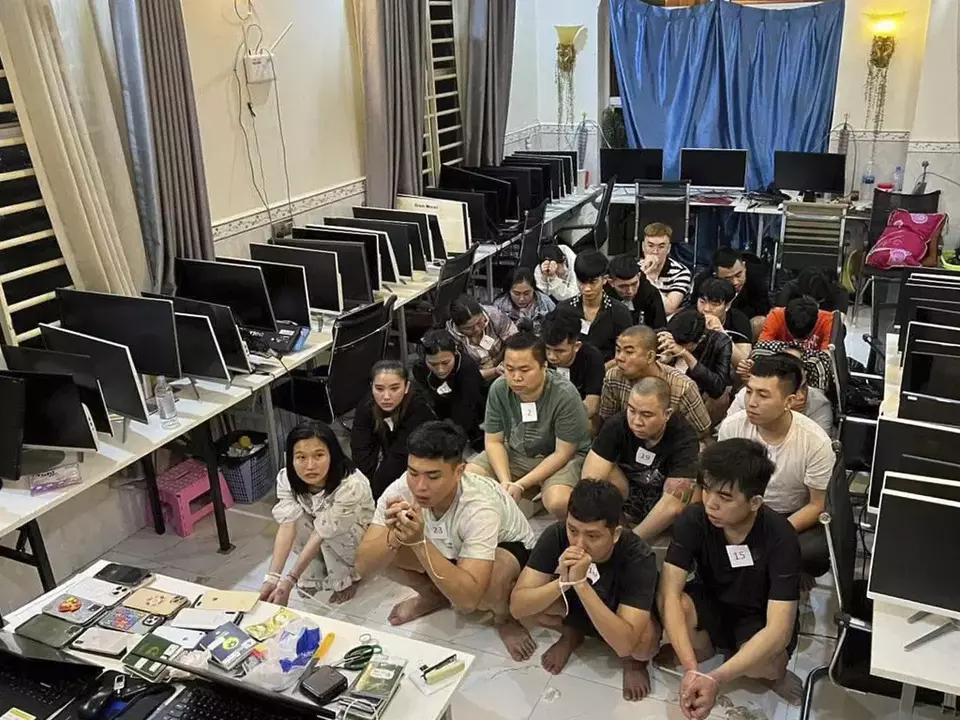
Jakarta. Indonesia’s Foreign Affairs Ministry said it will repatriate 97 Indonesians who were detained after escaping from an online scam center in Cambodia’s Kandal province last week.
The group was among those who fled a so-called “company” in Chrey Thum City on October 17, following a violent incident at the compound allegedly used for online fraud operations.
“We are coordinating with local authorities to provide legal assistance and facilitate their return to Indonesia,” said Judha Nugraha, Director for the Protection of Indonesian Citizens at the Foreign Affairs Ministry, during a press briefing in Jakarta on Monday.
Of the 97 Indonesians, 86 are currently held at the Chrey Thum police station, while 11 are being treated at a local hospital for minor injuries. The Indonesian Embassy in Phnom Penh has visited the hospitalized group and confirmed that none suffered life-threatening conditions.
Judha said that despite reports of gunfire during the chaos, there were no Indonesian fatalities. “The embassy also conducted a consular visit to meet the 86 citizens under police custody. Among them, four are suspected of involvement in acts of violence,” he said.
The embassy has also provided food and hygiene supplies, particularly for female citizens, as part of its humanitarian assistance.
Judha acknowledged that the spread of online scam syndicates involving Indonesians, both as victims and perpetrators, has reached alarming levels. The ministry has recorded more than 10,000 cases since 2020, with networks expanding beyond Southeast Asia.
“Initially, these operations were based only in Cambodia, but they have now spread to seven countries in Southeast Asia and three others outside the region, South Africa, Belarus, and the United Arab Emirates,” he said.
Of the 10,000 total cases, around 1,500 Indonesians were confirmed as victims of human trafficking, while many others voluntarily joined the scams, lured by high-salary offers.
“Some had already been working abroad legally but moved to these scam operations for better pay,” Judha added. He also revealed that some repeat offenders returned to scam networks even after being repatriated.
“For example, a case in South Africa involved Indonesians we had previously assisted in Laos and Cambodia. After being sent home, they departed again through transit countries,” he said.
While acknowledging that some are trapped by debt or coercion, Judha emphasized that those who willingly participate in online fraud can face legal prosecution in Indonesia, especially if their victims are fellow Indonesians.
Tags: Keywords: as a preferred
Related Articles

Indonesia, Vietnam Reaffirm $18 Billion Trade Goal, Sign Five-Year Action Plan
Indonesia and Vietnam signed a five-year action plan, reaffirming a $18 billion trade target and expanding cooperation on security and EVs.
Bali Police Uncover Alleged International Cyber Scamming Ring
Bali police uncovered alleged international scam network in Denpasar guest house, detaining 30 people in a raid.
Indonesian Authorities Detain Hundreds of Foreign Nationals in Batam Raid
Authorities detain hundreds of foreigners in Batam apartment raid amid suspected links to online scam operations.The Latest

Ye Concert, Other Events to Draw 130,000 to GBK, Here’s What to Know
Around 130,000 visitors are expected at Jakarta’s GBK on Saturday as Ye’s concert and several major events take place.
Indonesia Allocates Rp 722 Billion for Year-End Flight Ticket Tax Relief
Indonesia allocates Rp 722 billion to cover domestic flight ticket VAT during the 2026/2027 Christmas and New Year holidays.
Greece Floats Shipbuilding Partnership with Indonesia
Greece says that it possesses “extensive expertise” as it woos Indonesia in shipbuilding partnership.
Indonesian Stocks Rally 4.9%, but Foreign Investors Keep Selling
Indonesia’s JCI rose 4.9% last week, but foreign selling and MSCI downgrade risks continue to cloud the market outlook.
Ye Concert in Jakarta to Deploy 2,000 Security Personnel
More than 2,000 personnel will secure Ye’s Jakarta concert on Saturday, as organizers urge fans to use public transport.Most Popular
