



US Trade Partners Around the World React to Trump's New Tariffs
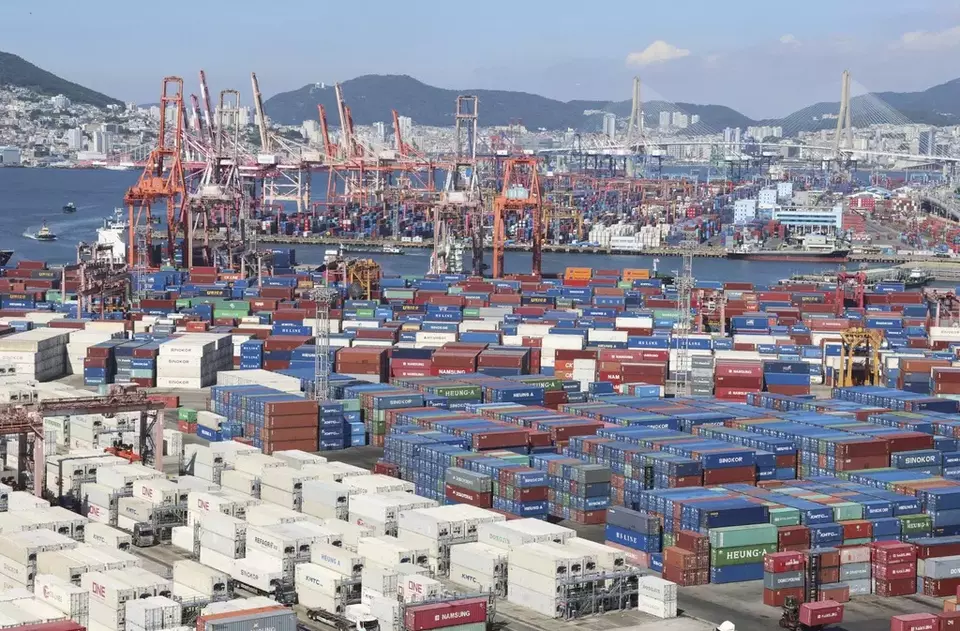
US trade partners reacted Friday to President Donald Trump's executive order that would introduce new tariffs on many of them in seven days, as the global economy and alliances face a fresh test from the president's trade agenda.
Trump's order issued Thursday night came after a flurry of tariff-related activity in recent days as the White House announced agreements with various nations and blocs ahead of Trump’s self-imposed Aug. 1 deadline.
Trump also said Thursday he would extend trade negotiations with Mexico for 90 days. But the vast majority of nations are continuing to face uncertainty ahead of the coming deadline.
While a handful of trade deals have trickled in, many details remain hazy, with businesses and manufacturers around the world bracing for heightened operating costs and potential price hikes.
Meanwhile, Trump’s overhaul of US trade policy hasn't gone unchallenged. Appellate court judges have expressed broad skepticism around the president's legal rationale for his most expansive round of tariffs.
Pakistan Welcomes 19 Percent Tariffs under US Trade Deal
Pakistan on Friday welcomed a new tariff arrangement with the United States that sets a 19 percent duty on Pakistani exports, calling it a positive step that could boost trade and economic growth.
The new rate is lower than the 29 percent tariff initially announced by Trump and below the 25 percent currently imposed on neighboring India.
In a statement, the Finance Ministry said the agreement reflects a “balanced and forward-looking approach” by US authorities and will help keep Pakistani goods competitive in the American market compared to other South and Southeast Asian countries.
The ministry said the revised tariff is expected to benefit key export sectors, particularly textiles, which remain the backbone of Pakistan’s export economy. The ministry said Pakistan will continue to engage closely with Trump and the US administration to promote the shared goals of economic development and mutual prosperity.
Norway Wants ‘Zero Tariffs’
Norwegian Prime Minister Jonas Gahr Støre told newspaper VG that he believes the Scandinavian country should have “zero tariffs.”
Gahr Støre, following the White House’s announcement, said Norwegian officials are still in talks with Washington in the hopes of eliminating the duties altogether.
Norway got hit with an expected 15 percent tariff.
Switzerland Hit With 39 Percent Tariff And Will Try to Negotiate
The land of luxury watches, pharmaceuticals, and secretive financial services was reeling Friday, Switzerland's National Day, upon learning it had been slapped with a 39 percent tariff, although Trump had proposed a 31 percent rate in April.
The Swiss government said officials will continue to seek a negotiated solution.
“The Federal Council notes with great regret that, despite the progress made in bilateral talks and Switzerland’s very constructive stance from the outset, the US intends to impose unilateral additional tariffs on imports from Switzerland,” the government said in a post on X.
Trump Orders 35 Percent Tariff for Goods from Canada
Trump has raised the tariff rate on US imports from Canada to 35 percent from 25 percent, effective Friday.
The announcement from the White House late Thursday said Canada had failed “to do more to arrest, seize, detain, or otherwise intercept drug trafficking organizations, other drug or human traffickers, criminals at large, and illicit drugs."
Trump earlier had threatened to impose a higher tariff on Canada if no deal was reached by Friday, his deadline for reaching trade agreements with dozens of countries.
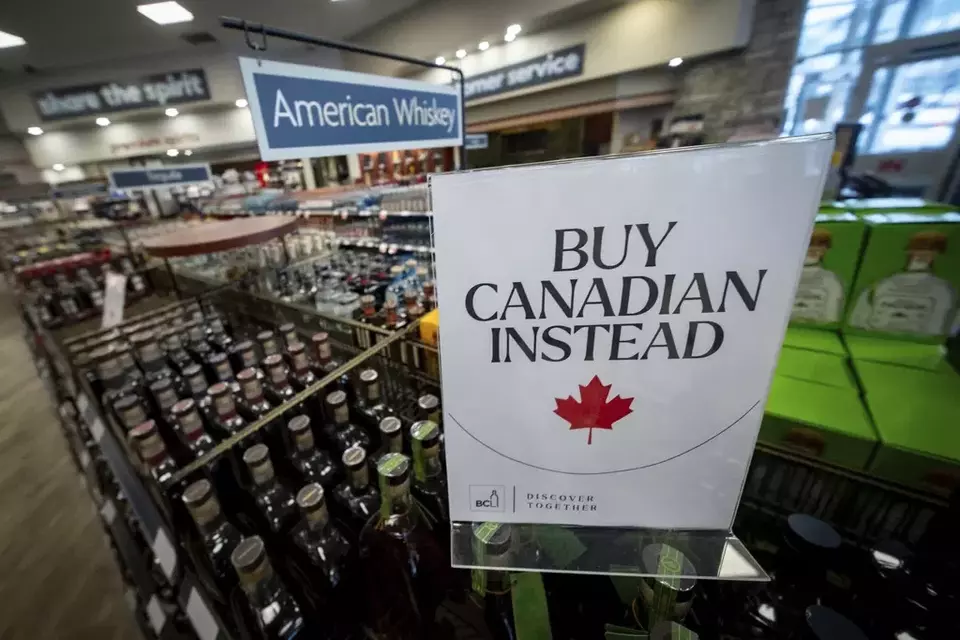
Canada was not included in Trump’s updated list of tariff rates on other countries announced late Thursday. Those import duties are due to take effect on Aug. 7.
Malaysia Hails ‘Significant Achievement’ in 19 Percent Tariff Rate
Malaysia’s Trade Ministry said Friday that the US tariff reduction from 25 percent to 19 percent was a “significant achievement” as the deal was struck without compromising key national interests.
“The 19 percent rate roughly tracks the rate of other countries in the Southeast Asian region,” the ministry said in a statement. “Most importantly, Malaysia had stood firm on various ‘red line’ items, and the 19 percent tariff rate was achieved without compromising the nation’s sovereign right to implement key policies to support the nation’s socio-economic stability and growth.”
The ministry said that Malaysia's economy remains resilient despite global headwinds, citing strong domestic demand and ongoing structural reforms.
The statement didn’t give further details, but officials previously said non-tariff barriers such as halal certification, which affects US beef and poultry exports, along with digital trade and government procurement, were sticky points. It’s unclear what concessions Malaysia made.
Cambodia Will Impose Zero Tariffs on All American Goods
Cambodia’s Deputy Prime Minister Sun Chanthol, who led his nation’s trade talks with the US, thanked Trump for setting the tariff rate on Cambodian goods at 19 percent and said his country will impose zero tariffs on all American goods.
When Washington originally posted its list of notional “reciprocal” tariffs, the rate for goods from Cambodia was 49 percent, one of the highest in the world. It had estimated that Cambodian tariffs on US imports averaged 97 percent.
Sun Chanthol also said Cambodia would purchase 10 passenger aircraft from Boeing in a deal they hoped to sign later this month. Several other nations had already announced similar aircraft purchase deals as part of their trade packages.
Trump had threatened not to conclude a deal with reduced tariffs if Cambodia and Thailand did not stop a recent armed conflict over border territory. The two nations agreed on a ceasefire beginning Tuesday that appears to be holding.
Cambodia publicly celebrated Trump’s peace initiative, suggesting he deserved a Nobel Prize for his intervention. Sun Chanthol said Friday that Cambodia would nominate him for the honor.
Australia's 10 Percent Tariff Comes from “Calm Negotiations”
Australian Trade Minister Don Farrell says gaining the minimum US tariff on exports, including beef, lamb, wine, and wheat, gave Australia a competitive advantage over some competitors.
Farrell told reporters Australia did not introduce tariffs on US goods at any point, and added, “I haven’t seen any case or any example where the retaliatory imposition of tariffs has resulted in a country being in a better position."
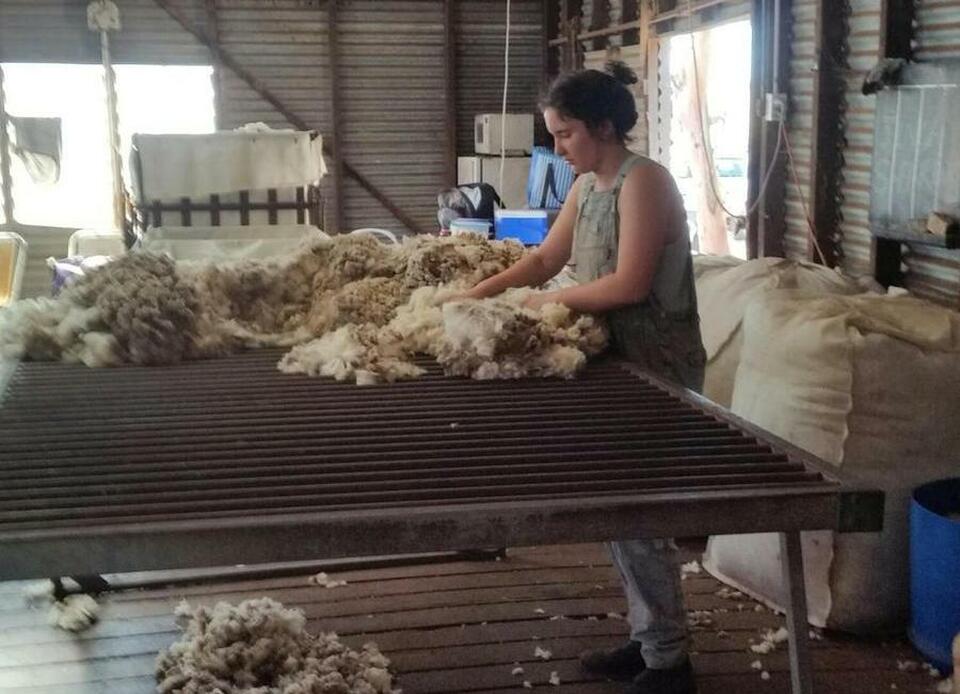
Farrell argues that no US tariffs can be justified because Australia imposes no tariffs on its bilateral free trade partner. The United States has enjoyed a trade surplus with Australia for decades.
Australian Prime Minister Anthony Albanese has been criticized for failing to secure a face-to-face meeting with Trump to discuss trade.
Japan Welcomes Trump's Signing of Executive Order
Japanese Chief Cabinet Secretary Yoshimasa Hayashi welcomed Trump’s signing of the executive order setting Japan’s new reciprocal tariffs as a step that would reduce uncertainty of the US trade policy and its negative impact on the global economy, including that of Japan.
Hayashi, however, said Japan still needs to closely examine the measures and continue urging prompt implementation by the US government to carry out the agreement, including reduction of tariffs on automobiles and auto parts.
Hayashi acknowledged that Japan’s new tariff rate of 15 percent is a “major reduction” from the initially imposed 25 percent, but his government will continue to watch and mitigate its impact on Japanese exports, including by providing financial assistance for small and medium-sized businesses.
New Zealand Looks to Lobby for Lower Tariff Rates
New Zealand officials said they would lobby the administration for a change to the 15 percent tariff announced for the country’s exporters to the US. It’s an increase from the original 10 percent baseline announced for New Zealand in April.
“We don’t think this is a good thing. We don’t think it’s warranted,” Trade Minister Todd McClay told Radio New Zealand Friday. He said New Zealand appeared to have been targeted for a larger levy because the country sells more to the US than it imports, but that the gap of about half a billion dollars each year was “not significant or meaningful.”
Neighboring Australia dodged an increase to remain at 10 percent, but it buys more from the US than it exports, McClay added.
The United States in January overtook Australia to become New Zealand’s second-largest export partner, behind China. New Zealand exports are largely made up of meat, dairy, wine and agricultural machinery.
Taiwan Says Final Tariff Negotiations with US Yet to Come
Taiwan President Lai Ching-te said Taiwan had yet to engage in final negotiations with the US owing to scheduling difficulties and that he was hopeful the final tariff rate would be reduced even further after a final round of talks.
The Trump administration hit Taiwan with 32 percent tariffs, and lowered it to 20 percent on Thursday. Taiwan was notified on Thursday by the administration of the lower rate.
“Twenty percent from the beginning has not been our goal. We hope that in further negotiations we will get a more beneficial and more reasonable tax rate,” he told reporters in Taipei on Friday.
Lai also linked trade talks to security issues, as the US is Taiwan’s largest ally even though it does not formally recognize the island. “We want to strengthen US-Taiwan cooperation in national security, tech, and multiple areas,” he said.
The US is Taiwan's most important export market and strategic ally, Lai said.
Thailand Successfully Negotiates Lower Tariff Rates
Thailand’s government spokesperson Jirayu Houngsub said Thailand says the U.S. agreed to reduce the tariffs rate from 36 percent to 19 percent, a rate similar to those imposed on many other Southeast Asian countries such as Indonesia, Vietnam, and the Philippines.
“It’s one of the major successes of Team Thailand in a win-win approach, to secure the country’s export base and economic security in a long run,” he said in a statement. He didn’t immediately say what was the latest offer Thailand made to the US.
Tags: Keywords: as a preferred
The Latest

Chandra Asri Group Receives Trade Finance Excellence Award, Reinforcing Its Role in Indonesia’s Industrial Development
Chandra Asri Group receives the Trade Finance Excellence Award at CIMB Niaga Business Summit 2026.
AEON MALL Deltamas Brings 11 Sports and Creative Competitions to AEONLYMPIC 2026
AEON MALL Deltamas hosts AEONLYMPIC 2026, featuring 11 sports and creative competitions, with more than 3,100 participants.
Indonesian Stocks Extend Losses for Third Day, Fall 3.64% to 4,996
Indonesian stocks fell 3.64% on Monday, extending losses for a third straight session amid MSCI concerns and tighter trading limits.
Prabowo Calls Meeting on Forest Fires as Haze Reaches Jakarta, Singapore
Prabowo summons senior officials to discuss forest fires as smoke reaches Jakarta and Malaysia pushes for regional action.
Jakarta Outranks Amsterdam in Global Public Transport Survey
Jakarta climbs two places to 15th in Time Out's 2026 public transport survey, with its governor citing better network integration.Most Popular
