



US Tariff Policy Less Severe Than Feared, DEN Says
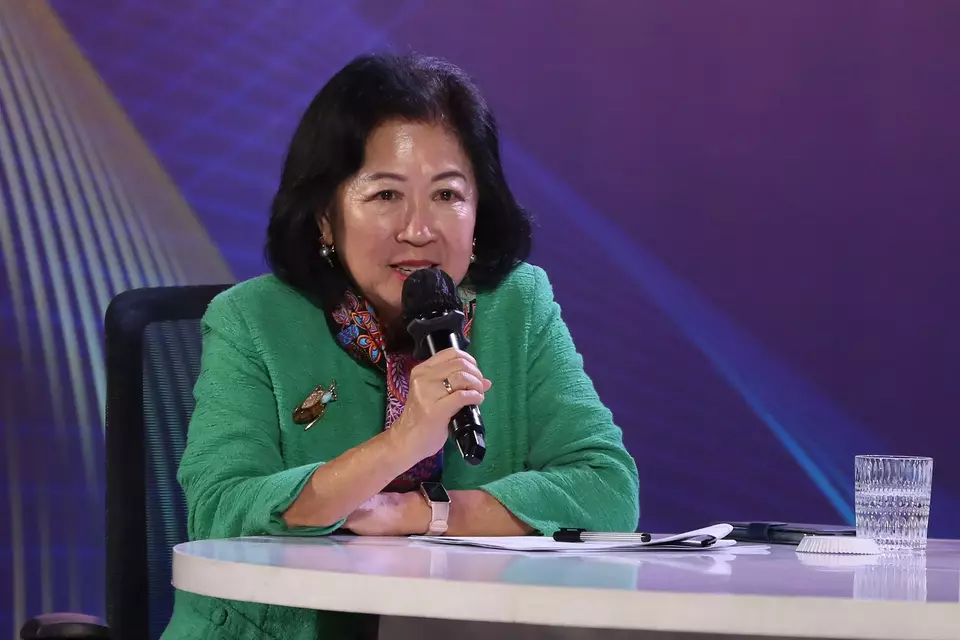
Jakarta. The National Economic Council (DEN) assessed that the United States’ tariff policy toward Indonesia has proven less severe than initially feared, with Indonesia’s access to the US market remaining competitive despite the continued application of reciprocal tariffs.
DEN Vice Chairwoman Mari Elka Pangestu said early projections suggested US tariffs would significantly suppress global trade. In practice, however, the impact has been more moderate.
“Initially, the tariff call was high. Then it gradually declined and many exemptions were introduced, meaning only around 10% of US imports were actually subject to tariffs,” Mari said during the Economic Outlook 2026 webinar on Thursday.
Under the latest agreement, Indonesia has agreed to eliminate import duties on most US-origin products. In return, Washington reduced reciprocal tariffs on Indonesian goods from 32% to 19%.
Read More:
Prabowo Sets Foot in US to Meet TrumpSeveral of Indonesia’s key export commodities, including crude palm oil (CPO), coffee, and cocoa, are also exempt from the 19% tariff.
Mari noted that Indonesia’s trade performance has partly been supported by front loading, or accelerated exports ahead of tariff implementation. Many countries, including Indonesia, increased shipments to the US in anticipation of higher duties.
At the same time, US companies built up inventories to cushion potential price increases, helping keep inflationary pressure relatively contained.
Data from the Trade Ministry showed Indonesia’s exports to the US grew 16.6% throughout 2025, although Indonesia still recorded a trade deficit with the country.
“It turns out that despite our earlier concerns, the impact was not as high as expected and our exports to the United States continued to grow, even though we still run a deficit with the US,” she added.
Looking ahead, Mari warned of potential global economic slowing in 2026, in line with International Monetary Fund projections, which could weaken demand for energy commodities, coal, and palm oil.
She also welcomed the government’s efforts to expand market access through trade agreements, including with the European Union and the United States. If the Indonesia–US tariff agreement is formally signed by President Prabowo Subianto and US President Donald Trump, DEN expects Indonesia to secure more competitive tariff treatment than regional peers such as Vietnam, China, and India.
“Especially if we can finalize the agreement with the United States and gain relatively better market access than our competitors, this would be a major opportunity to attract investment and ultimately create jobs,” Mari said.
Tags: Keywords: as a preferred
Related Articles

Airlangga Says Indonesia Won’t Face US Tariffs Over Russian Oil
Airlangga says Indonesia won’t face US tariffs over Russian oil bought within an allowed window.
Lower US Tariffs Open Market Opportunity for Indonesian Shrimp
Indonesian shrimp exporters see room to expand in the US as tariffs remain lower than those imposed on India and Vietnam.
Indonesian Stocks Bounce Back as Investors Eye Fed Verdict, Fresh US Tariff Threats
Indonesian stocks opened higher as investors awaited the Fed decision, BI governor succession, and monitored fresh US tariff risks.
Indonesia Stocks Slip as BI Governor Perry Warjiyo Steps Down
Indonesian stocks opened lower as investors weighed budget preparations for higher oil prices and awaited the Fed this week.
Oil Surge, US Tariffs Knock Indonesian Stocks Nearly 2% Lower
Indonesian stocks slid 1.9% as Brent crude climbed above $100 a barrel and new US tariffs fueled inflation and growth concerns.
DEN Says Policy Coordination Crucial Amid Rupiah Weakness, Global Volatility
DEN says coordinated fiscal and monetary policies are crucial to safeguard macroeconomic stability and investor confidence.
US Tariff Uncertainties Haunt Indonesia’s Footwear Industry
US tariff uncertainties still haunt the Indonesian footwear industry as businesses keep their fingers crossed for lower trade.
National Economic Council Pushes MBG Efficiency
DEN called for a more efficient MBG program as a weaker rupiah raises risks of higher prices and pressure on household spending.The Latest

Prabowo Calls Meeting on Forest Fires as Haze Reaches Jakarta, Singapore
Prabowo summons senior officials to discuss forest fires as smoke reaches Jakarta and Malaysia pushes for regional action.
Jakarta Outranks Amsterdam in Global Public Transport Survey
Jakarta climbs two places to 15th in Time Out's 2026 public transport survey, with its governor citing better network integration.
MSCI Concerns, Tighter IDX Trading Rules Send Indonesian Stocks Down 5% by Midday
Indonesian stocks plunge 5% by midday as MSCI concerns weigh on sentiment and the IDX tightens its daily downside limit to 7%.
Jakarta Prepares 367 Health Facilities as Haze Reaches the Capital
Jakarta prepares 367 health facilities to treat potential haze-related illnesses after smoke from Sumatra and Kalimantan crosses the region.
Jakarta Expands Flood Prevention With New Water Storage Ponds
Jakarta opens two East Jakarta water storage ponds as it expands flood prevention efforts through reservoirs and river normalization.Most Popular
