



May Deflation Signals Weak Consumer Demand, Industry Struggles in Indonesia
Jakarta. Indonesia’s economy is showing signs of a slowdown following a surprise deflation of 0.37 percent in May 2025, raising concerns about weakening consumer demand and the lack of industrial stimulus.
The deflation comes amid a series of other softening indicators, including a sharp drop in Southeast Asia's largest economy's trade surplus to just $150 million and a slowdown in first-quarter GDP growth to 4.87 percent, down from 5.02 percent in the previous quarter.
Esther Sri Astuti, Executive Director of the Institute for Development of Economics and Finance (INDEF), said the deflation was anticipated given the weak economic momentum since the beginning of the year.
“The signs were clear from the start. Unlike last year’s election-fueled spending, this year has been dominated by contractionary fiscal policies and low economic activity,” Esther told Beritasatu.com on Tuesday.
Following President Prabowo Subianto’s inauguration in late 2024, the government implemented spending cuts. However, Esther argues these were effectively budget reallocations that had a contractionary effect on the broader economy.
“This isn’t just post-Eid price normalization. It reflects eroding consumer purchasing power and the absence of meaningful stimulus for the industrial sector,” she said.
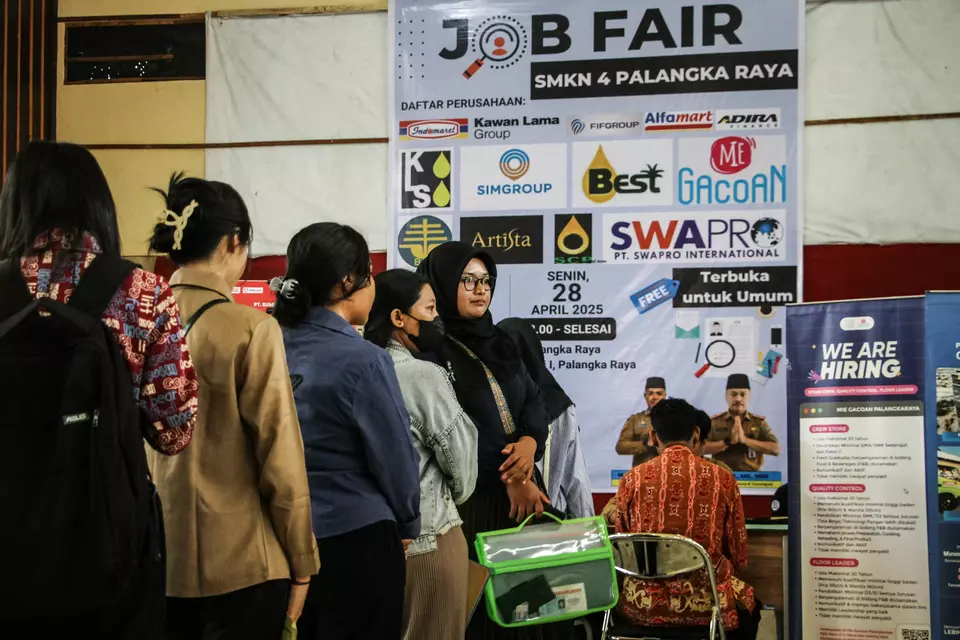
Esther warned that the deflation could trigger a ripple effect, particularly in the labor market, where layoffs have already begun in sectors such as manufacturing, private services, and trade.
“If the government doesn’t intervene with pro-industry measures, more layoffs are inevitable. Current policy packages mostly support household consumption, but industries are left without breathing room, there’s no tax relief or investment stimulus,” she said.
The Indonesian government has yet to roll out significant new industrial incentives, while private investment remains sluggish due to regulatory complexity and rising global uncertainty.
Esther called on policymakers to immediately shift toward investment- and industry-friendly policies, including a review of burdensome regulations and more robust incentives for both domestic and foreign investors.
“Stimulating consumption isn’t enough. Investment must also be a priority. If industries aren’t supported, they’ll resort to layoffs. We’re already seeing this,” she concluded.
Tags: Keywords: as a preferred
Related Articles

Indonesia’s Broad Money Supply Hits Rp 10,588 Trillion in September
Indonesia’s broad money supply grew 8.3% to Rp 10,588 trillion in September, while credit growth slowed to 12.7%.
Only 12% of Red and White Village Cooperatives Operational After Two Years
Fewer than 12% of Indonesia’s 83,000 legally established Red and White Village Cooperatives have operational businesses, an expert says.
Two Years Into Prabowo Presidency, Infrastructure Takes Back Seat
Prabowo’s social spending push raises concerns over infrastructure delays and uneven growth beyond Java.
Indonesia Can Hit 8% Growth With Housing, AI, Green Energy: Hashim
Hashim Djojohadikusumo says housing, AI, digital infrastructure and green energy could help Indonesia achieve 8% economic growth.
Airlangga Urges Indonesia to Catch Up With Vietnam in Digital, AI Industries
Indonesia needs to accelerate digital, semiconductor and AI industries to catch up with Vietnam and achieve its 8% growth target.
Apindo Warns Labor Bill Could Stall Investment, Job Creation
Apindo warns Indonesia’s proposed labor bill could deter investment and business expansion, slowing formal job creation.
Big Spending, Limited Revenue: Economists Question Prabowo’s Economic Strategy
Prabowo’s flagship programs face scrutiny as rising spending, weak job creation and deindustrialization threaten Indonesia’s growth.
Prabowo Faces Calls to Deliver Better Jobs as His Third Year Begins
Unions urge Prabowo to create more formal jobs, raise wages and expand worker protections as his administration enters its third year.
Indonesia Cuts 2027 Energy Subsidies by $635 Million
Indonesia will cut 2027 energy subsidies to Rp 261.5 trillion, citing improved recipient data to better target assistance.
Little Economic Progress, Tight Budgets Cloud Prabowo’s Second Year
UGM economists say Indonesia has seen little economic improvement under Prabowo, warning of fiscal risks in flagship programs.The Latest

Ye Concert, Other Events to Draw 130,000 to GBK, Here’s What to Know
Around 130,000 visitors are expected at Jakarta’s GBK on Saturday as Ye’s concert and several major events take place.
Indonesia Allocates Rp 722 Billion for Year-End Flight Ticket Tax Relief
Indonesia allocates Rp 722 billion to cover domestic flight ticket VAT during the 2026/2027 Christmas and New Year holidays.
Greece Floats Shipbuilding Partnership with Indonesia
Greece says that it possesses “extensive expertise” as it woos Indonesia in shipbuilding partnership.
Indonesian Stocks Rally 4.9%, but Foreign Investors Keep Selling
Indonesia’s JCI rose 4.9% last week, but foreign selling and MSCI downgrade risks continue to cloud the market outlook.
Ye Concert in Jakarta to Deploy 2,000 Security Personnel
More than 2,000 personnel will secure Ye’s Jakarta concert on Saturday, as organizers urge fans to use public transport.Most Popular
