



Indonesia Can Learn Currency Redenomination from Turkey, Ghana
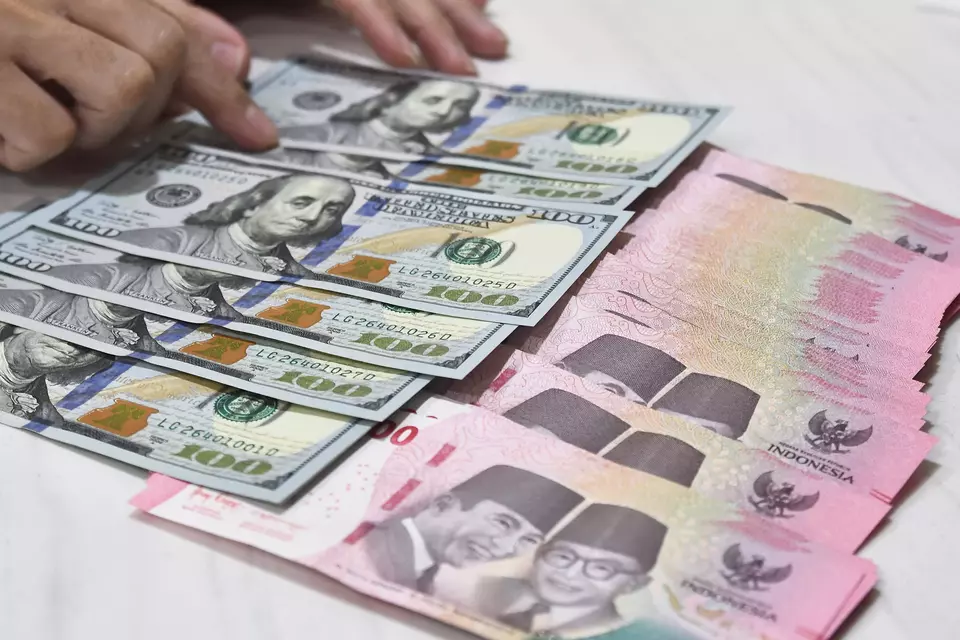
Jakarta. Indonesia can draw lessons from Turkey and Ghana’s successful currency reforms as Southeast Asia’s largest economy revisits its long-delayed plan to redenominate the rupiah, a move that would simplify transactions by removing three zeros from the currency’s value without affecting purchasing power.
Both Turkey and Ghana carried out redenominations during periods of macroeconomic stability and fiscal discipline, achieving smoother payment systems and stronger public confidence in their currencies. Turkey implemented its New Turkish Lira (YTL) in 2005, slashing six zeros from the old lira after years of hyperinflation. The reform, backed by an International Monetary Fund program and broad fiscal reforms, restored credibility to Turkey’s monetary system and improved its international competitiveness.
Similarly, Ghana redenominated its cedi in 2007, converting 10,000 old cedis to one new cedi to simplify accounting and restore confidence in the national currency. The reform succeeded largely because it was launched amid single-digit inflation, stable growth, and strong public communication, ensuring minimal disruption to daily transactions.
Trimegah Sekuritas Indonesia’s Chief Economist Fakhrul Fulvian said Indonesia is now in a comparable position, with a solid macroeconomic foundation that supports a potential redenomination.
“Over the past two decades, Indonesia has built a solid macroeconomic base: low inflation, a stable financial system, and credible monetary policy,” Fakhrul said in Jakarta. “This kind of momentum doesn’t come twice, and it should be used wisely.”
Fakhrul stressed that the policy should be implemented carefully to avoid confusion, saying that redenomination is not merely about removing zeros but a strategic effort to modernize the national payment system and enhance efficiency.
He outlined three conditions for success: reviving smaller denominations such as the “sen” to maintain price precision, ensuring macroeconomic stability, and synchronizing the plan with Bank Indonesia’s upcoming central bank digital currency (CBDC) to facilitate digital payments.
However, Syafruddin Karimi, an economics professor at Andalas University, warned that the project would be costly and risky, arguing that it is not an urgent priority for policymakers.
“Redenomination is a diversion from unfinished major tasks; Indonesia doesn’t need an illusion of stability in the form of new nominal values. What the country needs is meaningful growth for its people,” Syafruddin said.
He cautioned that the process would entail high logistical costs and technical complexity, from printing new banknotes to upgrading financial systems and adjusting contracts and price tags nationwide.
Despite renewed discussion, Bank Indonesia Governor Perry Warjiyo told lawmakers this week that the central bank has no immediate plans to proceed, emphasizing that ensuring economic stability and growth remains its primary focus.
“With regard to many questions about redenomination, at this time we are more focused on maintaining stability and promoting economic growth,” Perry said during a hearing with Commission XI of the House of Representatives, which oversees financial and banking affairs.
Perry described redenomination as a major policy requiring extensive coordination, even as the government targets completing a Redenomination Bill by 2027 under a new Finance Ministry regulation issued earlier this month.
The regulation cites four main objectives: enhancing national competitiveness, improving efficiency, preserving purchasing power, and strengthening the rupiah’s credibility.
Under the proposal, Rp 1,000 would become Rp 1 without changing its real value. Bank Indonesia has reiterated that any redenomination will only move forward when macroeconomic conditions remain stable and public trust in the currency is firmly established.
 as a preferred
Related Articles

Rupiah Buckles Under MSCI Pressure, Sinks Past Rp 18,000
Rupiah fell 0.50% to Rp 18,027 per dollar as MSCI’s proposed downgrade of Indonesia’s market status rattled investor confidence.
Bank Indonesia Defends Rupiah as MSCI Review Fuels Selling Pressure
Bank Indonesia pledges continued market intervention as the rupiah breaches Rp 18,000 per dollar amid MSCI-related selling pressure.
Rupiah Breaks Rp 18,000 as MSCI Review Triggers Market Turmoil
Rupiah breached Rp 18,000 per USD as MSCI's proposed market reclassification rattled investor sentiment and intensified market pressure.
Indonesia’s External Debt Rises to $459.3 Billion in August
Indonesia’s external debt rose 5.6% year-on-year to $459.3 billion in August, as public borrowing offset a decline in private debt.
Rupiah Edges Toward Rp 18,000 as Riyadh Attacks Rattle Markets
Rupiah weakens to Rp 17,913 per dollar as Fed rate hike fears, Middle East tensions and MSCI uncertainty weigh on sentiment.
Rupiah Strengthens to Rp 17,899 per Dollar Despite Fiscal Deficit
Rupiah rose 0.09% to Rp 17,899 per dollar despite Indonesia’s Rp 319 trillion budget deficit and ongoing US-Iran tensions.
Rupiah Gains as World Bank Upgrades Indonesia’s 2026 Growth Forecast
Rupiah strengthens to Rp17,899 as the World Bank raises Indonesia’s 2026 growth forecast to 5.2%.
Jakarta Stocks Open Higher on US Jobs Data, BI Policy Support
Jakarta stocks opened higher as weak US jobs data boosted hopes for a Fed rate pause, while BI continued supporting the rupiah.
Indonesia Pushes Rupiah-Yuan, Rupiah-Ringgit Trade to Reduce Dollar Demand
BI is urging greater use of local currencies in cross-border trade to reduce dollar demand as the rupiah trades beyond Rp 18,000.
Rupiah Struggles to Hold Gains After Breaching Rp 18,000
Rupiah is forecast to weaken as high oil prices and Fed rate hike bets keep pressure on the currency after it breached Rp 18,000.The Latest

Chandra Asri Group Receives Trade Finance Excellence Award, Reinforcing Its Role in Indonesia’s Industrial Development
Chandra Asri Group receives the Trade Finance Excellence Award at CIMB Niaga Business Summit 2026.
AEON MALL Deltamas Brings 11 Sports and Creative Competitions to AEONLYMPIC 2026
AEON MALL Deltamas hosts AEONLYMPIC 2026, featuring 11 sports and creative competitions, with more than 3,100 participants.
Indonesian Stocks Extend Losses for Third Day, Fall 3.64% to 4,996
Indonesian stocks fell 3.64% on Monday, extending losses for a third straight session amid MSCI concerns and tighter trading limits.
Prabowo Calls Meeting on Forest Fires as Haze Reaches Jakarta, Singapore
Prabowo summons senior officials to discuss forest fires as smoke reaches Jakarta and Malaysia pushes for regional action.
Jakarta Outranks Amsterdam in Global Public Transport Survey
Jakarta climbs two places to 15th in Time Out's 2026 public transport survey, with its governor citing better network integration.Most Popular
