



ASEAN+3 Agrees to Use More of RCEP Pact Amid Trump’s Trade War
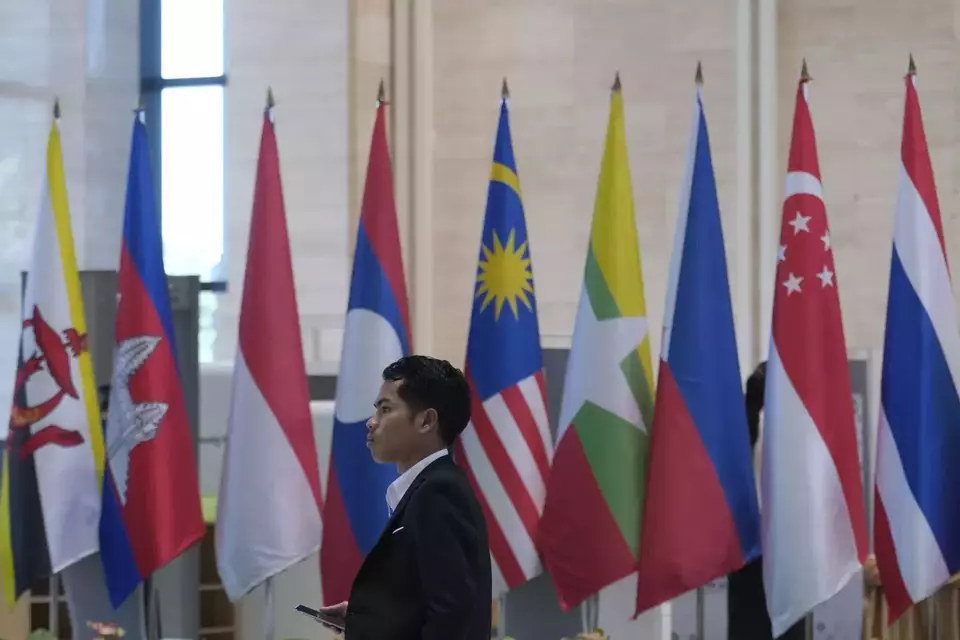
Jakarta. The finance chiefs of the ASEAN+3 countries recently agreed to take a better advantage of the world’s largest trade pact, namely the Regional Comprehensive Economic Partnership or RCEP, as trade protectionism grows in the wake of the US’ tariff salvo.
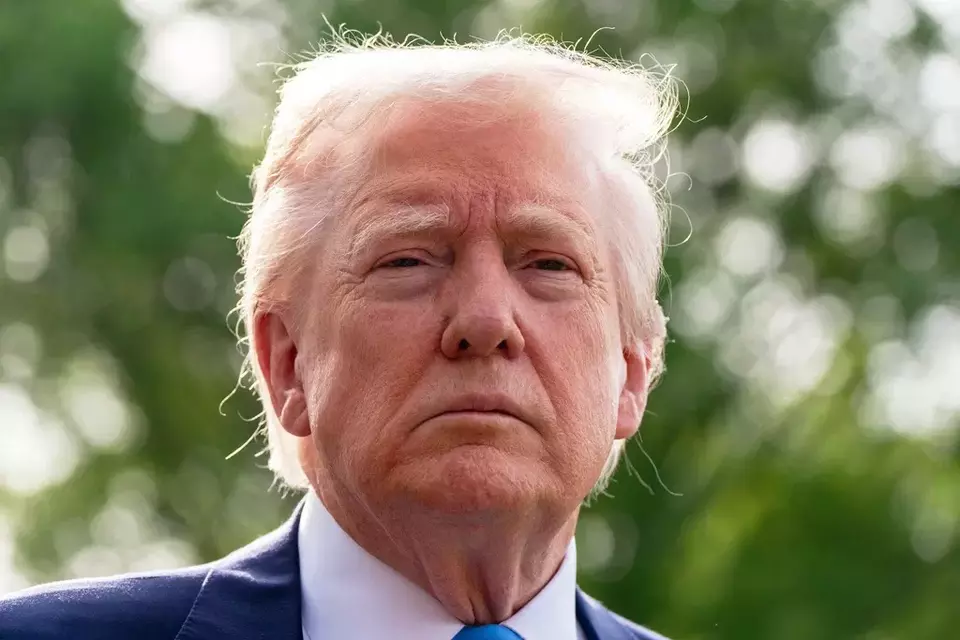
US President Donald Trump’s round of tariffs has caused a major upheaval in global economies. Trump’s tariffs on ASEAN countries range from the baseline 10 percent to a whopping 49 percent, with Cambodia being the hardest hit. The US wants to slap a 32 percent import tax on goods from Indonesia.
ASEAN+3 recently sent its finance ministers and central bank governors to discuss the current economic developments in Milan on Sunday local time. The group brings together the 10 members of the Southeast Asian bloc, Japan, South Korea, as well as Washington’s top rival China who is now facing a crippling 145 percent tariff. The countries issued a joint statement that warned members of protectionist trade policies, although the document did not directly call out Trump for his tariffs.
“Escalating trade protectionism weighs on global trade, leading to economic fragmentation, affecting trade, investment, and capital flows across the region. Near-term prospects may also be affected by other external risks, including tighter global financial conditions, growth slowdown in major trading partners, and reduced investment flows,” the joint statement reads.
ASEAN+3 finance chiefs also said that the grouping would continue to support a “free, fair, and open” multilateral trading system with the World Trade Organization at its core. The ministers also agreed to make sure that the industrial and supply chain remained stable and unimpeded. The latter part of the document touched on the RCEP, saying that ASEAN+3 “fully supports the robust implementation of the RCEP”.
Senior economist Lili Yang Ing recently told the Jakarta Globe that the RCEP remained largely underutilized despite its huge potential to cushion Trump’s tariff impact on the economy. This pact promises to eliminate 90 percent of the tariffs on the goods traded between its member states. The RCEP not only includes the ASEAN+3, but also Australia and New Zealand.
“RCEP is the world’s largest regional trading bloc. It makes up 50 percent of the global population and represents around 30 percent of the global gross domestic product. … It came into effect in January 2022, but it was still incredibly underused to this day,” Lili said on the margins of the Investor Daily Roundtable forum in Jakarta.
She added: “Indonesia and ASEAN members need to simplify the RCEP, so Southeast Asian companies can take a better advantage of the trade agreement.”
Indonesia, too, is looking to boost non-US trade, while also trying to negotiate Trump’s reciprocal tariffs at the same time. China, which is also the largest economy in RCEP, is Indonesia’s biggest trading partner. Bilateral trade totaled nearly $135.2 billion in 2024, with Jakarta running a deficit of almost $10.3 billion. The RCEP entered into force for Indonesia in early 2023 -- the same year that Jakarta took over the rotating chairmanship of ASEAN.
Tags: Keywords: as a preferred
Related Articles

Hong Kong, Chile A Step Closer to RCEP Mega Trade Pact
Bangladesh and Sri Lanka are also making strides in their plans to join the ASEAN-backed mega trade deal RCEP.
European Firms Crave ASEAN-EU Trade Pact to Keep Up with Rivals
European businesses see the absence of an ASEAN pact puts them at a "significant disadvantage" compared to the competitors that have one.
Indonesia, New Zealand Eye $3.5 Billion Trade
Indonesia and New Zealand seek to leverage the halal industry's potential and existing tariff reductions for the $3.5 billion trade by 2029.
Indonesia Stocks Slip as BI Governor Perry Warjiyo Steps Down
Indonesian stocks opened lower as investors weighed budget preparations for higher oil prices and awaited the Fed this week.
AMRO Says Indonesia Needs More Targeted Subsidies
AMRO warns Indonesia’s low revenue ratio and broad subsidies could weaken fiscal resilience amid global uncertainty.
ASEAN+3 Growth Seen Slowing to 4% Amid Middle East Risks: AMRO
AMRO expects ASEAN+3 growth to slow to 4% as Middle East tensions, oil prices, and tariff uncertainty cloud outlook.
Don't Rush to Expand RCEP Trade Deal: Ex-Negotiator
A former Indonesian trade negotiator says it'd be best for RCEP members to focus on ramping up the deal’s utilization rate.
Bruneian MSMEs See Dollar Signs in Indonesian Export
For Brunei, the ASEAN-EU talks on April 27-28 were a chance for the country’s small-scale businesses to gain exposure.The Latest

Chandra Asri Group Receives Trade Finance Excellence Award, Reinforcing Its Role in Indonesia’s Industrial Development
Chandra Asri Group receives the Trade Finance Excellence Award at CIMB Niaga Business Summit 2026.
AEON MALL Deltamas Brings 11 Sports and Creative Competitions to AEONLYMPIC 2026
AEON MALL Deltamas hosts AEONLYMPIC 2026, featuring 11 sports and creative competitions, with more than 3,100 participants.
Indonesian Stocks Extend Losses for Third Day, Fall 3.64% to 4,996
Indonesian stocks fell 3.64% on Monday, extending losses for a third straight session amid MSCI concerns and tighter trading limits.
Prabowo Calls Meeting on Forest Fires as Haze Reaches Jakarta, Singapore
Prabowo summons senior officials to discuss forest fires as smoke reaches Jakarta and Malaysia pushes for regional action.
Jakarta Outranks Amsterdam in Global Public Transport Survey
Jakarta climbs two places to 15th in Time Out's 2026 public transport survey, with its governor citing better network integration.Most Popular
