



ASEAN, Partners to Review World’s Largest Trade Deal RCEP in 2027
Jakarta. ASEAN and its trading partners are planning to upgrade the world’s largest trade deal RCEP starting in 2027 as countries race to offset lost exports to the United States.
RCEP, short for Regional Comprehensive Economic Partnership, aims to ease trade barriers among its signatories by eliminating virtually all tariffs. All ASEAN members, excluding Timor Leste, are part of the RCEP. The agreement -- which came into effect in 2022 for some -- also united China, Japan, South Korea, Australia, and New Zealand. The RCEP economies are currently subject to the US tariff hikes, although the rate of the import duties vary depending on their trade gaps and relations with Washington.
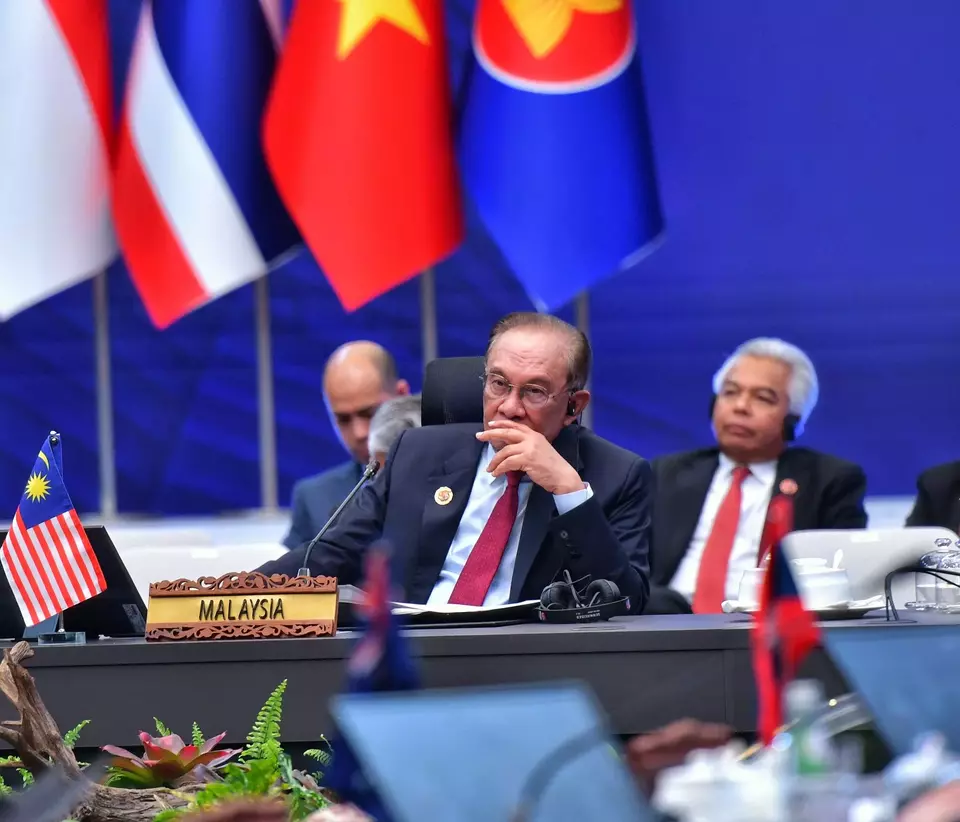
Leaders of the participating countries had gathered in the Malaysian capital of Kuala Lumpur on Monday to see how the pact had progressed over the past three years. A joint leaders’ statement published after the meeting showed that the members had agreed to keep their markets “open, free, and rules-based”. To this end, the bloc wants to update the terms so the RCEP can really address today’s challenges in global trade.
“We [the leaders] have instructed ministers and officials to intensify efforts to commence the preparation for the general review of the RCEP agreement, scheduled for 2027," the two-page statement reads.
The leaders urged continued discussions to ensure that the RCEP to ensure a level playing field and stronger growth, both at home and in the region.
“[This includes] by progressing the built-in agenda and expanding the benefits of RCEP by, among others, considering options to incorporate provisions on modern and emerging issues."
The document made references to the World Trade Organization (WTO), repeating calls for its reforms. The statement did not specifically mention the US or its president Donald Trump’s tariff hikes. However, demands for WTO reforms date back to Trump’s blockade on appointments to the institution’s top court, the appellate body. This is a seven-member body that is in charge of hearing appeals.
Under the RCEP, members can enjoy tariff elimination of about 92 percent on traded goods, progressively over a period of 20 years. Other countries may join the trade pact as long as they have the members’ consent.
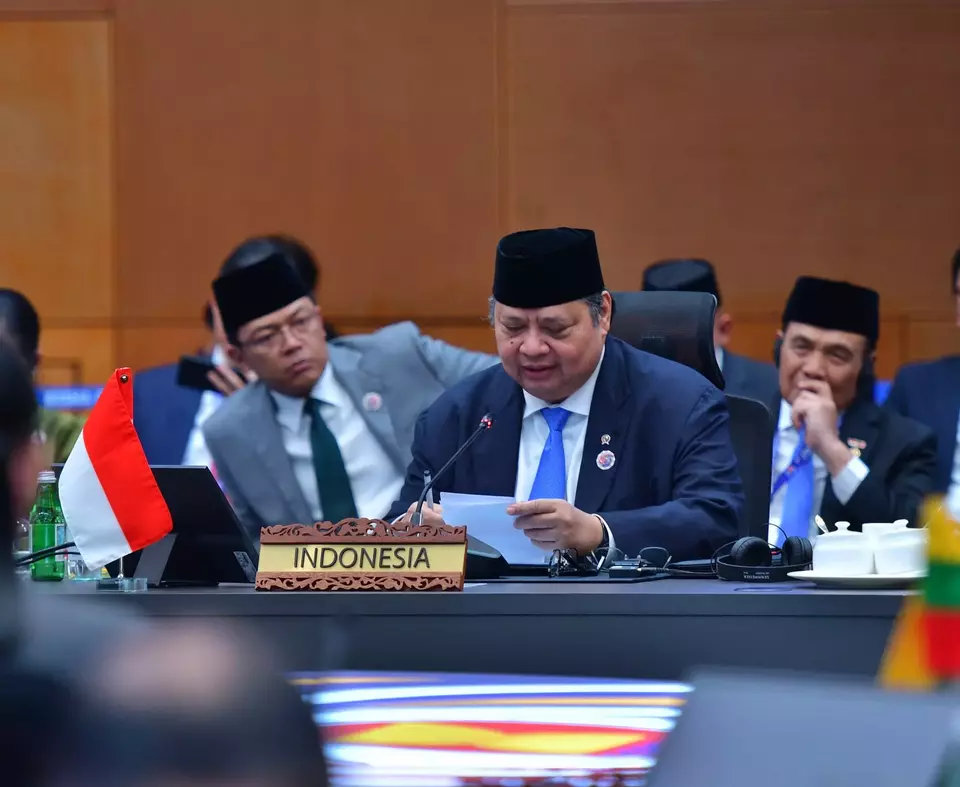
Hong Kong, Sri Lanka, Bangladesh, and Chile have knocked on RCEP’s doors for membership, according to senior minister Airlangga Hartarto. The agreement currently represents 28 percent of the world’s gross domestic product (GDP) and 28.6 percent of the global population. The Indonesian politician did not say the timeline for when the club would decide on their applications.
India originally took part in the RCEP negotiations, but decided to opt out at the last minute in fear of getting flooded by Chinese imports.
The RCEP came into effect for Indonesia in early 2023, the same year when Jakarta assumed ASEAN’s rotating chairmanship. China is Indonesia’s biggest trading partner within RCEP. Indonesia’s China-bound exports rose from $38.6 billion in January-August 2024 to $42 billion over the same period this year, data showed. However, the Southeast Asian country’s deficit also skyrocketed from $8.1 billion to $13 billion. Amidst tariff woes, Indonesia reported that its exports to the US saw a 12.39 percent month-on-month decline in August, the same month the new 19 percent import duties took effect.
Tags: Keywords: as a preferred
Related Articles

Hong Kong, Chile A Step Closer to RCEP Mega Trade Pact
Bangladesh and Sri Lanka are also making strides in their plans to join the ASEAN-backed mega trade deal RCEP.
US Defends Tariffs on ASEAN Amid $327.4 Billion Deficit
US says it wants to "bring reciprocity and balance" to its ASEAN trade ties amid double-digit tariff hikes.
European Firms Crave ASEAN-EU Trade Pact to Keep Up with Rivals
European businesses see the absence of an ASEAN pact puts them at a "significant disadvantage" compared to the competitors that have one.
Indonesia, New Zealand Eye $3.5 Billion Trade
Indonesia and New Zealand seek to leverage the halal industry's potential and existing tariff reductions for the $3.5 billion trade by 2029.
Thai PM Anutin Lands in Jakarta for Trade Talks with Prabowo
Indonesia names Thailand as its biggest destination for crude oil exports.
ASEAN Hopes for Predictability on Trump’s Tariffs
ASEAN says the region's businesspeople wish for a predictability and certainty as Trump launches a fresh round of tariff hikes.
ASEAN on Right Path by Not Mimicking EU Single Currency
"ASEAN sees the EU as a role model, but the group is not mimicking the European bloc", economist Lili Yan Ing says.
Don't Rush to Expand RCEP Trade Deal: Ex-Negotiator
A former Indonesian trade negotiator says it'd be best for RCEP members to focus on ramping up the deal’s utilization rate.
ASEAN Agrees to Avoid ‘Unnecessary’ Trade Barriers as Iran Crisis Stings
ASEAN says any emergency measures must be temporary, and not create unnecessary barriers to trade as the group deals with the Iran crisis.
Bruneian MSMEs See Dollar Signs in Indonesian Export
For Brunei, the ASEAN-EU talks on April 27-28 were a chance for the country’s small-scale businesses to gain exposure.The Latest

Jakarta Outranks Amsterdam in Global Public Transport Survey
Jakarta climbs two places to 15th in Time Out's 2026 public transport survey, with its governor citing better network integration.
MSCI Concerns, Tighter IDX Trading Rules Send Indonesian Stocks Down 5% by Midday
Indonesian stocks plunge 5% by midday as MSCI concerns weigh on sentiment and the IDX tightens its daily downside limit to 7%.
Jakarta Prepares 367 Health Facilities as Haze Reaches the Capital
Jakarta prepares 367 health facilities to treat potential haze-related illnesses after smoke from Sumatra and Kalimantan crosses the region.
Jakarta Expands Flood Prevention With New Water Storage Ponds
Jakarta opens two East Jakarta water storage ponds as it expands flood prevention efforts through reservoirs and river normalization.
Press Council Highlights AI Ethics at United Tractors Journalist Workshop
United Tractors’ 2026 journalist workshop highlights ethical AI use and the importance of trust and credibility in journalism.Most Popular
